
Jefit is awesome if you like to lift weights and track every detail of your fitness journey. When you sign up, you set your goals, fitness level, equipment access, etc., and Aaptiv builds you a weekly workout plan. Fitbod builds your workouts based on your goals, fitness level, past workouts, and what equipment you have. Good fitness apps will store your data securely and won’t sell it to third parties. It might not be the most exciting part of your fitness journey, but protecting your personal info helps keep your experience safe and stress-free. That means more effective workouts and quicker progress toward your fitness goals.
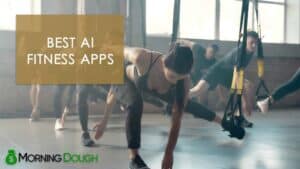
Freeletics is an AI-powered fitness application that offers personalized workout plans and coaching to users of all fitness free fitness apps levels. The app combines artificial intelligence with insights from sports scientists to create tailored training programs that adapt to individual needs, goals, and preferences. The platform’s AI engine analyzes user data, including body composition, workout history, and biometric information, to create personalized workout plans that adapt over time. Tempo’s approach aims to replicate the experience of having a personal trainer in the comfort of one’s home, offering a blend of strength training, cardio, and recovery exercises. Fitbod is an innovative AI-powered fitness application designed to create personalized workout plans tailored to individual users’ goals, fitness levels, and available equipment.
- No matter what your fitness goals may be, these AI apps are designed to provide tailored workouts and support to help you achieve them effectively and efficiently.
- The best AI fitness apps do more than just present generic workouts.
- Freeletics gives powerful bodyweight workouts using AI to match your fitness level.
- This demand for data-driven solutions is fueling the digital fitness market growth, projected to surpass $150 billion by 2029.
- Also, while great for lifting, it doesn’t include cardio or nutrition tools, so you may need another app for those.
- Fitbod is one of the best AI fitness apps that delivers customized strength training workouts after analyzing user goals and available equipment.
This AI fitness app delivers strength training with a programming set that is precisely for powerlifting and strength sports. It optimizes training to achieve individual performance goals. This AI exercise app has a free version with locked-in functions at your disposal.
What Experts Say About AI Fitness Apps and Tools?
Most weight loss apps combine workout routines with food tracking and goal-setting tools. Freeletics offers a “Coach” that adapts workouts based on your feedback, fitness level, goals, and preferences. You pick a “Training Journey” (e.g. strength, endurance, bodyweight, etc.), and the app builds a structured plan.
Protecting Personal Health Information
Make a habit of checking your app’s progress reports once a week. This helps you see how far you’ve come and decide what changes to make. You can even take progress pics and store them in some apps for visual motivation. Before an app starts using your data, it should ask for your permission.
The app is entirely free with no subscription fees to unlock content, though it may contain advertisements. User ratings are generally high, often around 4.7/5 stars, with users praising its simplicity and effectiveness for at-home, no-cost workouts. Arvo is specifically designed for hypertrophy with 5 proven bodybuilding methodologies (Kuba, Mentzer HIT, FST-7, Y3T, Mountain Dog) and MEV/MAV/MRV volume tracking. Fitbod ($15.99/mo) also offers good muscle-building programming but without methodology specificity.
Are AI workout apps worth it?
This demand for data-driven solutions is fueling the digital fitness market growth, projected to surpass $150 billion by 2029. An AI app delivers truly hyper-personalized workout routines. It learns from your body, using data collected directly from your wearables to dynamically adjust workout intensity and focus, whether your goal is strength building or weight loss.
How do I start with AI workout apps?
This app is a popular choice for those who want a completely free and straightforward fitness solution. It focuses on bodyweight workouts, meaning you don’t need any equipment, making it a truly accessible option for home exercisers. While it may not have a “celebrity trainer” aesthetic, its AI-like logic is based on creating and adapting workout plans without a subscription. Most AI fitness apps track your workouts, calories burned, and improvements over time.
Your body tells you when it’s time, but a good rule is every 4-6 weeks. Apps like Dr. Muscle do this automatically, keeping your muscles guessing and growing. They analyze your progress and tweak your workouts, so you’re always on the edge of improvement. It’s like having a personal trainer who’s always tweaking your plan for the best results. Most commenters said they’d absolutely use such a tool, especially if it offered genuine personalization without the high cost of a human trainer.
How AI adapts your workouts?
No matter what your fitness goals may be, these AI apps are designed to provide tailored workouts and support to help you achieve them effectively and efficiently. Founded by Dr. Carl Juneau, an exercise scientist, Dr. Muscle leverages cutting-edge, evidence-based training principles to offer a uniquely personalized workout experience. FitnessAI was one of the most beginner-friendly strength training apps I’ve tried. Freeletics immediately appealed to me because I wanted something simple, effective, and bodyweight-focused. The AI Coach asked me about my fitness goals, current level, and training environment, then created a plan that fit right into my daily routine, no equipment needed. However, if you’re more into lifting or need visual instruction, Aaptiv may fall short.
Peloton Guide
Embracing AI workout tools can significantly enhance your fitness journey by providing customized routines that adapt to your individual needs and goals. AI fitness apps are changing the way we work out, especially when it comes to weight loss. These smart apps use data—like your height, weight, workout style, and fitness goals—to create personal workout plans just for you. Whether you’re starting your fitness journey or trying to break through a plateau, AI tools can help you stay on track and make better choices without having to guess. Tempo is an AI-powered home fitness platform that combines advanced technology with personalized training to deliver a comprehensive workout experience. Designed for both beginners and experienced gym-goers, FitnessAI offers a user-friendly interface that simplifies workout logging and progress tracking.
Shred App vs Dr. Muscle 2026: Which Workout App Is Best for You?
Aaptiv also offers an in-built music library, providing a motivating soundtrack for your workouts. Additionally, the app has a supportive and inspiring community, where you can connect with like-minded individuals and stay motivated throughout your fitness journey. As AI fitness technology evolves, it’s moving far beyond step tracking and calorie counting.
Peloton (Cardio & Running: Paid )
I started testing out AI-powered fitness tools like Fitbod, Whoop, and Aaptiv, each targeting a different aspect of my health. If the app uses machine learning to evolve with you, it’s a good sign you’re getting real value; not just a fancy timer. If you want the most balanced, gym-friendly AI coach with smart adjustments, Fitbod is the best. For serious strength cycles, JuggernautAI is better tuned to powerlifting.
Starting at the right pace can make all the difference between giving up and sticking with it. If you’re using a fitness tracker or smartwatch, many AI fitness apps sync up with them. This means your heart rate, steps, sleep, and activity levels can all work together in one place. The app can use that data to choose better workouts for you or tell you when to rest. This integration makes losing weight feel more organized and connected—and it’s way easier than trying to track everything yourself.
Key Features to Look for in AI-Driven Fitness Apps
Log in your workouts, meals (if the app tracks nutrition), and even how you’re feeling after a session. The more data the app has, the smarter and more helpful it becomes. Try setting reminders so you don’t forget to work out or check your progress. Your health data is sensitive stuff, and it should stay private.
